Cleansing in Magick

A room can look perfectly clean and still feel heavy. The air may feel stale after an argument, a long illness, a stressful workweek, or a rush of visitors. In magickal practice, cleansing is the act of clearing away that energetic residue so your space, body, and tools feel ready for intention again.
Cleansing does not need to be dramatic or complicated. It can be as simple as opening a window, ringing a bell, taking a mindful bath, or letting herbs simmer on the stove. The goal is to create a clear shift: from cluttered to calm, from scattered to focused, from “something feels off” to “I can begin.”
This guide explores four approachable methods: smoke cleansing, simmer pots, salt baths, and sound cleansing. Each one works a little differently, and each can be shaped by your own senses, beliefs, and lived experience.

Why cleansing matters in magickal practice
Cleansing creates a clean energetic starting point. Just as you might wipe down a kitchen counter before cooking, many practitioners cleanse before spellwork, divination, meditation, ritual, or setting intentions.
This matters because magick often depends on focus. If your space feels tense or muddled, it can be harder to concentrate. If your tools have been handled often or stored in a busy area, you may want to refresh them before using them. If your own mood feels tangled, cleansing can help mark a clear boundary between what happened earlier and what you are doing now.
Common times to cleanse include:
Before and after spellwork
Before using tarot cards, crystals, candles, or ritual tools
After conflict, stress, or emotional conversations
When moving into a new home
During seasonal changes or moon rituals
When your space simply feels heavy or stagnant
Cleansing in magick is not about fear. It is about care. It says, “This space is tended. This moment has meaning. I am choosing what I welcome here.”
A helpful practice is to notice what “clear” feels like to you. Some people feel it as lightness in the room. Some notice deeper breathing. Some feel calmer, warmer, or more centered. Your own senses are part of the practice.
Smoke cleansing uses scent, air, and intention
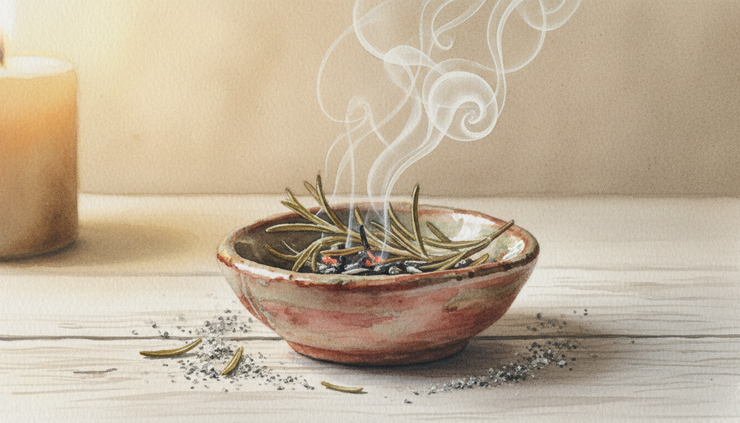
Smoke cleansing is one of the best-known methods. It uses the smoke from herbs, resins, incense, or wood to carry away unwanted energy and refresh a person, object, or space.
Many cultures have sacred smoke traditions, and some are closed or specific to those communities. For a respectful personal practice, choose herbs connected to your own background, local area, or general household use. Rosemary, lavender, cedar, garden sage, bay leaf, and incense are common choices. Avoid treating sacred Indigenous practices as a trend, and learn the difference between your personal smoke cleansing and named traditions that belong to specific peoples.
Smoke cleansing works through several layers at once. Scent changes the mood of a room. Smoke visibly moves through space, giving your intention a form you can see. Fire adds transformation, while air carries the cleansing outward.
How to smoke cleanse at home
You will need:
A smoke-safe herb bundle, loose herbs on charcoal, or incense
A fireproof dish, shell, or ceramic bowl
Matches or a lighter
An open window or door
Optional feather, fan, or your hand to guide the smoke
Steps:
Prepare the space
Tidy the area first if you can. Physical clutter can distract from the work. Open a window or door so smoke and stagnant air can leave.
Set your intention
Say it out loud or silently. Keep it simple.
“I clear this space of heaviness and welcome calm, protection, and clarity.”
Light the herb or incense
Let it catch briefly, then blow out the flame so it smolders. Place it over your fireproof dish to catch ash.
Move with purpose
Walk through the room slowly. Guide smoke into corners, around doorways, near windows, and around objects you want to cleanse.
Speak or breathe your intention
You might repeat one phrase as you move. Let the words match your goal. A home after an argument may need peace. A ritual space may need focus. A bedroom may need rest.
Close the practice
Extinguish the smoke safely. Thank the plant, incense, or element of fire if that fits your practice. Notice how the room feels.
Never leave burning herbs or incense unattended. If you have asthma, pets, small children, smoke alarms nearby, or poor ventilation, choose sound cleansing or a simmer pot instead.
Simmer pots cleanse through warmth and scent
A simmer pot is a pot of water, herbs, fruits, and spices warmed gently on the stove. As the water steams, it fills the home with scent and moisture. Many practitioners use simmer pots to cleanse, bless, protect, or call in a seasonal mood.
This method is especially useful when smoke is not an option. It feels domestic and comforting, which makes it a beautiful choice for kitchens, family homes, apartments, and cold weather rituals.
A cleansing simmer pot often includes ingredients associated with purification, brightness, and protection. You can use what you already have.
Good options include:
Lemon slices for freshness and clarity
Rosemary for cleansing and protection
Bay leaves for intention and release
Cinnamon sticks for warmth and energy
Cloves for protection and comfort
Orange peel for joy and renewal
Mint for freshness and movement
A pinch of salt for purification
How to make a cleansing simmer pot
You will need:
A medium pot
Water
Herbs, fruit peels, or spices
A spoon
A stove or slow cooker
Steps:
Fill the pot with water
Fill it about halfway. Leave room so it does not boil over.
Choose your ingredients
For a simple cleansing blend, use lemon slices, rosemary, bay leaf, and a small pinch of salt. If you want a warmer feeling, add cinnamon or cloves.
Name each ingredient as you add it
This turns a household act into spellwork.
“Lemon for clarity. Rosemary for cleansing. Bay for release. Salt for protection.”
Bring it to a gentle simmer
Heat until steam rises, then lower the temperature. Do not let it boil hard.
Let the scent move through the home
As it simmers, imagine the steam lifting heaviness from each room. You can walk through the home and open interior doors so the scent travels.
Watch the water level
Add more water as needed. Never leave a simmer pot unattended on the stove.
Dispose with respect
When finished, let everything cool. Strain the solids and compost them if appropriate, or dispose of them in the trash. Pour the cooled water down the drain with gratitude.
A simmer pot is also easy to personalize. If lavender reminds you of safety, use lavender. If orange peel feels joyful, add it. If a certain spice brings back memories of a peaceful kitchen, that memory becomes part of the magick.
Salt baths cleanse the body and spirit
Salt has long been linked with purification, preservation, and protection. In magickal practice, a salt bath can help wash away spiritual heaviness and restore a sense of personal boundary.
This method works best when you feel energetically “sticky.” That might happen after conflict, crowded places, stressful caregiving, grief, intense ritual work, or too much time absorbing other people’s emotions.
A salt bath is not a medical treatment. If you have sensitive skin, open cuts, certain health conditions, or concerns about bathing, use plain water, a foot soak, or consult a qualified health professional.
How to take a cleansing salt bath
You will need:
Warm bathwater
Plain sea salt, Epsom salt, or kosher salt
Optional herbs in a tea bag or muslin pouch
A clean towel
A glass of water to drink
Steps:
Clean the tub first
This may seem ordinary, but it matters. A physically clean bath supports an energetically clean ritual.
Add salt to the water
Use a small handful for a full bath. If your skin is sensitive, use less. Stir the water with your hand and imagine the salt waking up.
Add herbs if desired
Lavender, rosemary, chamomile, or mint can be placed in a bag so they do not clog the drain. Skip anything that irritates your skin.
Step in with intention
As you enter the water, say something like:
“I release what is not mine. I return to myself cleansed and whole.”
Soak and breathe
Stay as long as feels comfortable. Imagine heaviness dissolving into the water. You do not have to force a vision. Simply let your body soften.
Drain the water mindfully
Watch the water leave and picture unwanted energy leaving with it.
Rinse and ground
A quick rinse can help you feel fresh. Drink water, put on comfortable clothes, and eat something simple if you feel spacey.
If you do not have a bathtub, make a salt foot soak. You can also dissolve a pinch of salt in a bowl of water and wash your hands before ritual.

Sound cleansing clears through vibration
Sound cleansing uses vibration to shift the feeling of a space. Bells, chimes, singing bowls, drums, rattles, clapping, chanting, humming, and even a clear spoken word can all work.
This method is excellent when you cannot use smoke, scent, salt, or water. It is also quick. A bell near the front door or a small chime on an altar can become part of a daily reset.
Sound works because vibration moves through air and through the body. On a practical level, sound interrupts stagnant silence and changes your attention. On a magickal level, many practitioners believe sound breaks up dense energy and restores flow.
How to cleanse with sound
You will need:
A bell, chime, singing bowl, drum, rattle, or your hands
A clear intention
Optional open window
Steps:
Choose your sound
Pick something that feels clear rather than harsh. A bright bell may feel cleansing. A drum may feel grounding. Your voice may feel personal and powerful.
Stand in the center of the room
Take a breath and notice the current mood of the space.
Make sound once
Listen until the sound fades. This helps you connect with the space before you begin moving.
Move around the room
Ring, clap, hum, or play the instrument near corners, doors, windows, closets, and any area that feels dull or crowded.
Adjust by feeling
If one corner feels heavy, spend more time there. If the tone seems flat, repeat the sound until it feels clearer.
Seal the space
Return to the center. Make one final sound. Say a closing phrase, such as:
“This space is clear, calm, and held.”
Notice the shift
Sound cleansing can feel immediate. The room may seem brighter, quieter, or more awake.
For shared homes or apartments, choose a respectful volume. A soft bell, whispered chant, or gentle hum can be just as meaningful as a loud sound.
How to choose the right cleansing method
There is no single best method for every person or every situation. The right choice depends on your space, your body, your tools, and your intention.
Method | Best for | Try it when |
Smoke cleansing | Ritual tools, doorways, quick energetic resets | You want a visible, traditional-feeling cleanse |
Simmer pots | Whole-home atmosphere, smoke-free cleansing | You want warmth, comfort, and scent |
Salt baths | Personal cleansing, emotional release | You feel drained, heavy, or energetically crowded |
Sound cleansing | Apartments, shared spaces, fast clearing | You need a smoke-free and scent-free option |
You can also combine methods. Cleanse the room with sound, then take a salt bath. Make a simmer pot before guests arrive, then ring a bell after they leave. Smoke cleanse your tools before a ritual, then use sound to close the space.
Let experience guide you. Keep a small journal if you like. Write down the method, ingredients or tools, your intention, and how the space felt afterward. Over time, patterns will appear. You may learn that rosemary feels protective, bells feel bright, or salt baths work best for you after emotionally intense days.

Make cleansing your own
The most effective cleansing practice is one you can return to with honesty. You do not need rare ingredients or perfect words. You need attention, respect, and a willingness to notice what changes.
Before your next ritual, choose one method from this guide and try it as written. Then adjust it. Change the herbs. Use a different sound. Write your own words. Pay attention to your senses before and after.
Magick grows through relationship. The more you listen to your home, your body, your tools, and your intuition, the more meaningful cleansing becomes. Start simple, stay safe, and let your own experience teach you what clear feels like.


Comments