The Wheel of the Year Explained

Updated: Aug 1
The seasons have a rhythm long before anyone writes them on a calendar. The first frost, the lengthening light, the first green shoots, the heavy fruit of late summer. For many pagans, witches, and nature-centered spiritual seekers, that rhythm is honored through the Wheel of the Year, a cycle of eight seasonal holidays that mark the turning points of light, growth, harvest, rest, and renewal.
At its heart, the Wheel of the Year is a sacred calendar. It follows the solar year and the agricultural seasons, blending ancient seasonal customs with modern pagan and witchcraft traditions. Each festival invites reflection on what nature is doing and how human life mirrors it.

What the Wheel of the Year means
The Wheel of the Year is made up of eight festivals, often called sabbats in Wiccan and many witchcraft traditions. These holidays are spaced across the year and connect to solstices, equinoxes, and seasonal shifts.
The eight holidays are:
Samhain
Yule
Imbolc
Ostara
Beltane
Litha
Lughnasadh
Mabon
Together, they form a cycle rather than a straight line. The year is not seen only as passing time. It is birth, growth, fullness, harvest, decline, death, and rebirth.
This cyclical view is one reason the Wheel holds such meaning in pagan practice. It encourages people to notice the world around them. Days grow longer, then shorter. Seeds sleep, sprout, bloom, and return to the soil. The same pattern can be used for spiritual reflection.
A practitioner might ask:
What is beginning in my life?
What is ready to be nourished?
What can I harvest from my efforts?
What needs to be released?
What needs rest before it returns in a new form?
The Wheel is also deeply practical. It helps people create ritual structure through the year. Instead of waiting for inspiration, the calendar offers regular moments to pause, make offerings, cook seasonal food, light candles, gather with others, or practice solitary magic.
Where the Wheel of the Year comes from
The Wheel of the Year, as many people know it today, is a modern pagan calendar. It became widely recognized through 20th-century Wicca and related neopagan movements. That modern form draws from several older sources, rather than one single ancient calendar used everywhere in the same way.
Some of its festivals have roots in Celtic seasonal celebrations. These include Samhain, Imbolc, Beltane, and Lughnasadh. They are sometimes called the “cross-quarter” days because they fall roughly between the solstices and equinoxes.
Other festivals are tied to solar events:
Yule marks the winter solstice.
Ostara marks the spring equinox.
Litha marks the summer solstice.
Mabon marks the fall equinox.
The names and customs linked to these holidays come from a mix of folklore, regional customs, historical references, and modern spiritual creativity. For example, Yule has strong associations with Germanic and Norse midwinter traditions, while the name Mabon became common in modern pagan use during the 20th century.
That history matters because it keeps the Wheel honest. It is not a perfectly preserved ancient system handed down unchanged. It is a living structure, shaped by older seasonal observances and adapted by modern practitioners.
This does not make it less meaningful. Many spiritual traditions grow through memory, place, practice, and renewal. The Wheel of the Year works because it gives people a way to honor the seasons where they live while staying connected to older patterns of ritual time.

How the Wheel is used in witchcraft and pagan practice
In witchcraft and pagan traditions, the Wheel is both a calendar and a ritual map. It gives shape to magic, devotion, seasonal awareness, and community gatherings.
Not every witch or pagan celebrates every sabbat. Some focus on the solstices and equinoxes. Others center the Celtic fire festivals. Some keep elaborate rituals, while others mark the day with a candle and a quiet walk.
Common ways to honor the Wheel include:
Building a seasonal altar
Lighting candles in colors linked to the holiday
Cooking foods tied to the season
Making offerings to deities, ancestors, spirits, or the land
Practicing divination
Journaling intentions and reflections
Gathering with a coven, grove, family, or friends
Spending time outdoors
The Wheel also helps magical work follow seasonal energy.
Spring holidays often support beginnings, growth, fertility, cleansing, and courage. Summer rites may focus on passion, protection, abundance, and creative power. Autumn festivals center gratitude, harvest, ancestors, and release. Winter rituals often call in rest, hope, dreams, and renewal.
For many practitioners, the point is not to control nature. The point is to participate in relationship with it. The Wheel teaches attention. It asks people to notice weather, plants, animals, darkness, and light. It also invites care for the local land, not just symbolic celebration.
The eight holidays of the Wheel
Dates can vary slightly by year, tradition, and hemisphere. The dates below reflect common Northern Hemisphere observances. In the Southern Hemisphere, many practitioners reverse the seasonal timing.
Holiday | Common date | Seasonal theme | Common symbols |
Samhain | October 31 to November 1 | Ancestors, endings, spirit work | Apples, bones, candles, veils, cauldrons |
Yule | Around December 21 | Rebirth of light, winter rest | Evergreen, holly, suns, logs, candles |
Imbolc | February 1 to 2 | First stirrings of spring, purification | Brigid crosses, milk, snowdrops, white candles |
Ostara | Around March 20 | Balance, renewal, fertility | Eggs, rabbits, seeds, flowers |
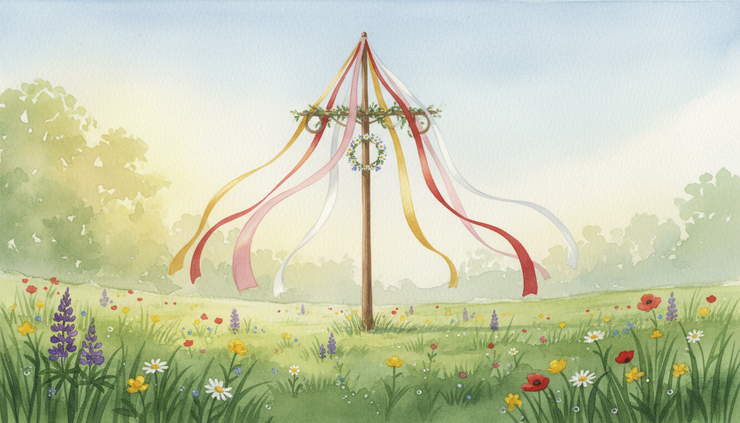
Beltane | April 30 to May 1 | Fire, passion, fertility, vitality | Maypoles, ribbons, flowers, bonfires |
Litha | Around June 20 to 21 | Full sun, power, abundance | Oak, sun wheels, honey, herbs |
Lughnasadh | August 1 | First harvest, skill, gratitude | Bread, grain, corn, sickles |
Mabon | Around September 22 | Second harvest, balance, thanksgiving | Apples, grapes, gourds, autumn leaves |
Samhain honors ancestors and sacred endings
Samhain is often seen as the witch’s new year. It arrives when the harvest season has faded and the dark half of the year begins. Many traditions describe this as a time when the veil between the living and the dead is thin.
Samhain rituals often focus on ancestors, remembrance, divination, and release. Some people set a place at the table for beloved dead. Others create ancestor altars with photos, candles, heirlooms, or favorite foods.
Common Samhain practices include:
Lighting candles for the dead
Visiting graves or tending memorial spaces
Pulling tarot or oracle cards for the year ahead
Burning written notes of what is ready to end
Cooking with apples, squash, root vegetables, or warming spices
Symbols include black candles, skulls, bones, apples, pomegranates, cauldrons, and fallen leaves. The mood is not only spooky. It can be tender, solemn, protective, and wise.
Yule welcomes the returning light
Yule marks the winter solstice, the longest night of the year. After this point, daylight slowly begins to return. This makes Yule a festival of hope, rebirth, and quiet endurance.
Many Yule customs overlap with familiar winter holiday traditions. Evergreen boughs, candles, wreaths, gifts, spiced drinks, and decorated trees all carry themes of life continuing through cold and darkness.
Yule rituals may include:
Lighting a candle at sunset or sunrise
Burning a Yule log or symbolic piece of wood
Decorating with pine, cedar, holly, or mistletoe
Making wishes for the returning light
Sharing warm food with loved ones
The main symbol of Yule is light born from darkness. For witches, it is a powerful time for renewal magic, dreamwork, home blessing, and protection.

Imbolc marks the first spark of spring
Imbolc arrives while winter still holds the land, but subtle signs of spring begin to appear. It is associated with purification, healing, inspiration, and the goddess Brigid in many Celtic-inspired traditions.
This holiday often feels gentle and domestic. It is a time to clean, bless the home, light candles, and prepare for what will grow.
Common Imbolc traditions include:
Lighting white candles
Sweeping or cleansing the home
Making a Brigid’s cross from rushes, straw, or craft materials
Blessing seeds or tools
Setting intentions for creative work
Milk, sheep, snowdrops, wells, hearths, and candle flames are common symbols. In magical practice, Imbolc supports cleansing spells, creative renewal, and small first steps.
Ostara celebrates balance and new growth
Ostara falls at the spring equinox, when day and night are nearly equal. It marks a fresh balance before the light begins to dominate the year.
This is a holiday of awakening. Seeds go into soil. Birds return. Flowers open. Many symbols associated with spring, including eggs and hares, connect to fertility and new life.
Ways to celebrate Ostara include:
Planting seeds
Decorating eggs with symbols or intentions
Taking a sunrise walk
Creating a flower altar
Doing a ritual for balance
Ostara is well suited for magic around renewal, confidence, fertility, new projects, and emotional clearing. It invites motion after the stillness of winter.
Beltane honors fire, pleasure, and life force
Beltane stands opposite Samhain on the Wheel. Where Samhain honors the dead and the thinning veil, Beltane celebrates life in full bloom. It is one of the great fire festivals and is associated with fertility, sensuality, joy, protection, and union.
Traditional Beltane customs include bonfires, Maypoles, flowers, dancing, and feasting. In older rural communities, fire and blessing rites were linked to livestock, land, and household protection.
Modern celebrations may include:
Lighting a bonfire or candle
Weaving flower crowns
Dancing around a Maypole
Decorating the home with fresh greenery
Making offerings for love, vitality, or creative power
Beltane can be romantic, but it does not have to be. Its deeper theme is aliveness. It honors the creative force moving through bodies, gardens, art, relationships, and the land itself.
Litha honors the height of the sun
Litha, or the summer solstice, marks the longest day of the year. The sun is at its peak, and the natural world feels full, bright, and alive.
This is a powerful day for solar magic, confidence, abundance, protection, and gratitude. Herbs gathered around this time are often seen as especially potent in folk traditions.
Common Litha practices include:
Watching the sunrise or sunset
Making sun water
Gathering herbs such as lavender, rosemary, or mint
Creating charms for protection
Feasting outdoors
Symbols include sun wheels, oak leaves, honey, gold candles, and St. John’s wort. Litha celebrates fullness, but it also hints at change. After the longest day, the light slowly begins to wane.
Lughnasadh gives thanks for the first harvest
Lughnasadh, also called Lammas in some traditions, marks the first harvest. Grain, bread, corn, and berries are central symbols. The holiday is linked to the Celtic god Lugh in many modern pagan practices.
This is a time to honor skill, labor, sacrifice, and gratitude. The first harvest asks a simple question. What has grown from your effort?
Ways to celebrate Lughnasadh include:
Baking bread
Sharing seasonal food
Making corn dollies
Offering grain, fruit, or flowers to the land
Reflecting on personal achievements
Magic at Lughnasadh often centers on prosperity, craft, dedication, and gratitude. It also reminds practitioners that harvest requires both celebration and responsibility.
Mabon marks balance and the second harvest
Mabon falls at the fall equinox, another point of balance between day and night. It is often treated as a pagan thanksgiving, centered on harvest, reflection, and preparation for the dark half of the year.
Apples, grapes, nuts, pumpkins, wine, and autumn leaves are common symbols. The energy is slower than Lughnasadh. It asks for gratitude, but also honest evaluation.
Mabon rituals may include:
Sharing a harvest meal
Making an apple offering
Decorating an altar with fall foods
Journaling about what has been gained and what must be released
Giving thanks to the land, ancestors, or household spirits
Mabon teaches balance with maturity. It is a graceful pause before descent into the deep work of Samhain and winter.

How to celebrate the Wheel in a personal way
The Wheel does not have to be elaborate to be meaningful. A small, consistent practice often creates a stronger connection than a complicated ritual done out of pressure.
Start with the season outside your door. If February does not feel like spring where you live, let Imbolc be about hope beneath snow. If summer heat arrives early, let Beltane and Litha reflect the land’s real timing.
A simple sabbat ritual can include:
Notice the season
Step outside. Look at the sky, plants, animals, temperature, and light.
Create a small altar
Use one candle, one natural object, and one symbol of the holiday.
Speak a clear intention
Say what you are honoring, releasing, welcoming, or giving thanks for.
Make an offering
Offer water, herbs, flowers, bread, song, or care for the land.
Close with action
Do something physical. Plant seeds, clean a room, bake bread, write a letter, rest, or tend a garden.
The most meaningful rituals often feel simple and specific. A cup of tea at sunrise can be a Yule rite. Pulling weeds can be Beltane devotion. Baking bread can be Lughnasadh magic. Lighting a candle for a grandparent can be Samhain ancestor work.
The lasting significance of the Wheel
The Wheel of the Year endures because it restores a sense of sacred time. It teaches that darkness is not failure, rest is not emptiness, and endings are part of renewal. It gives language to the quiet wisdom many people already feel when the air changes and the light shifts.
For witches and pagans, it can guide ritual, magic, devotion, and community. For nature-centered seekers, it can become a mindful way to live with the seasons instead of rushing past them.
The best way to understand the Wheel is to begin with one holiday. Light a candle at Yule. Plant seeds at Ostara. Bake bread at Lughnasadh. Remember the dead at Samhain. Then keep watching as the year turns, because the Wheel is not only a calendar on the wall. It is the living cycle beneath your feet.


Comments