How to Create a Grimoire

A grimoire begins as a book, but it rarely stays that simple. Over time, it becomes a record of what you practice, what you notice, what you question, and what you return to when life feels unclear.
For some people, a grimoire is a sacred working book filled with spells, rituals, moon notes, herbs, symbols, and prayers. For others, it is a private journal for self-discovery, seasonal reflection, and spiritual study. It does not need to look ancient, dramatic, or perfect. It only needs to be meaningful.
Creating a grimoire is less about copying a tradition exactly and more about building a living resource that supports your growth.

What a grimoire is and why it matters
A grimoire is a book of spiritual knowledge, magical practice, ritual instructions, and personal notes. The word is often linked to books of magic from Europe, especially texts that contained instructions for charms, invocations, astrological timing, protective rites, and the use of herbs or symbols.
Historically, grimoires were not casual notebooks. They were often treated as serious working texts. Some were copied by hand. Some gathered influences from folk magic, ceremonial magic, astrology, religion, philosophy, medicine, and local traditions. Many blended practical concerns with spiritual ones, such as protection, healing, prosperity, love, and guidance.
A grimoire’s historical significance comes from the way it preserved knowledge. Before information was easy to access, people recorded what they learned, inherited, tested, or believed. These books became personal archives and teaching tools.
Modern grimoires do not need to imitate historical ones word for word. Many older texts reflect the cultures, fears, and power structures of their time. A contemporary grimoire can honor the idea of recorded wisdom while staying ethical, inclusive, and grounded in personal meaning.
At its heart, a grimoire is a place to ask:
What do I believe?
What practices help me feel connected?
What patterns do I notice in nature, dreams, emotions, and seasons?
What rituals support the life I am trying to build?
That makes it both a spiritual tool and a creative companion.
Decide what kind of grimoire you want to create
Before buying a leather-bound book or opening a blank digital document, think about how you want to use your grimoire. This choice will shape what goes inside.
Some grimoires are highly structured. Others are messy, layered, and intuitive. Both can work beautifully.
A study grimoire helps you collect knowledge
This type works well if you are learning about herbs, crystals, tarot, astrology, mythology, deities, folk traditions, moon phases, or meditation. It can include definitions, correspondences, reading notes, diagrams, and questions for later research.
A study grimoire is useful because it helps you move beyond memorizing lists. You can compare sources, record what resonates, and note what does not fit your values or experience.
A working grimoire supports active practice
A working grimoire holds the rituals, spells, prayers, meditations, and seasonal practices you actually use. It may include exact steps, timing, tools, outcomes, and reflections afterward.
This kind of grimoire becomes more powerful over time because you can look back and see what helped, what felt empty, and what changed in your life.
A reflective grimoire focuses on personal growth
A reflective grimoire may look closer to a spiritual journal. It can include dream notes, shadow work prompts, gratitude lists, emotional patterns, intentions, and personal symbols.
This approach is especially helpful for anyone using spiritual practice as a way to understand themselves better. It turns the grimoire into a mirror, not just a manual.
A blended grimoire gives you room to evolve
Most people end up with a mix. One section might hold rituals. Another might hold reflections. Another might track tarot readings, seasonal changes, or personal prayers.
There is no rule that says your book must stay in one lane. Your spiritual life will change. Your grimoire can change with it.
Choose a format that invites you back
The best grimoire format is the one you will actually use. Beauty matters, but function matters too.
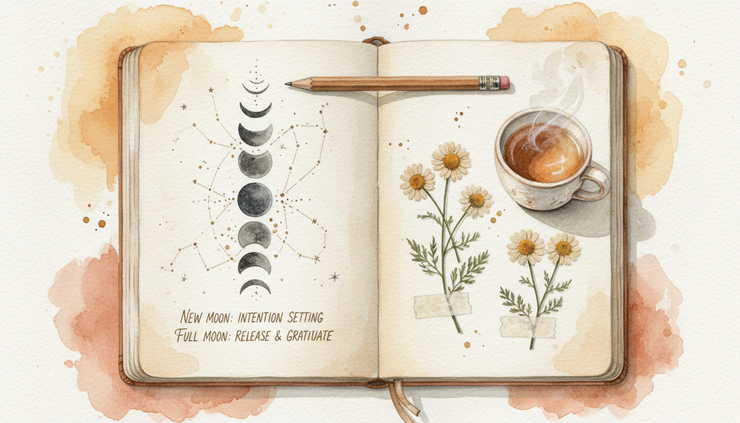
A traditional bound notebook feels special and intimate. It invites slow writing and careful attention. A ring binder makes it easy to move pages, add sections, and remove drafts. A digital grimoire can be searched quickly and backed up, which helps if you write a lot or collect images and links.
Some people keep two versions:
Draft book
A casual notebook for testing spells, brainstorming, and messy notes.
Finished grimoire
A more polished book for practices, reflections, and information you want to keep.
This takes pressure off the process. You do not have to make every page beautiful on the first try.
If blank pages feel intimidating, start with a simple structure:
Table of contents
Personal dedication or opening page
Core beliefs and values
Rituals and spells
Herbs, tools, and symbols
Divination notes
Seasonal practices
Personal reflections
Leave extra pages between sections if you are using a bound book. If you are using a binder or digital format, you can rearrange as you go.
Add the basic elements of a grimoire
A grimoire can hold many things, but a few core elements give it shape. Start simple. Add more only when the material feels useful.
Write a personal dedication
The first page can set the tone for the whole book. A dedication does not need to be formal or elaborate. It can be a short statement of purpose.
For example:
This grimoire is a place for learning, reflection, protection, healing, and honest spiritual practice.
You can also include boundaries. If you want your grimoire to support ethical practice, write that clearly. You might note that your rituals will respect consent, free will, cultural origins, and personal responsibility.
Record spells with clear details
If you include spells, write them in a way that helps you understand and repeat the practice. A spell entry can include:
Title
Purpose
Date performed
Moon phase or season, if relevant
Materials used
Spoken words or written intention
Steps
Feelings before and after
Results or later observations
A simple spell might focus on confidence before a hard conversation, rest after a stressful week, or protection while traveling. Keep the language personal. The strongest entries often come from lived need, not dramatic wording.
Include rituals that mark meaning
Rituals help turn attention into action. They can be spiritual, symbolic, emotional, or seasonal.
Your grimoire might include rituals for:
New moons and full moons
Solstices, equinoxes, or seasonal shifts
Morning grounding
Evening release
Cleansing a room
Preparing for creative work
Honoring grief or transition
Celebrating growth
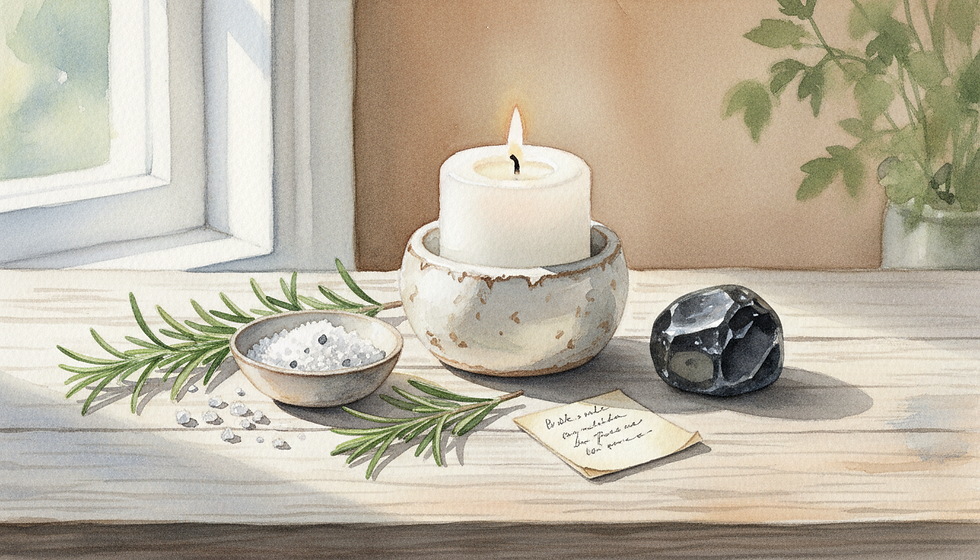
For each ritual, record the steps and the reason behind them. If you light a candle, what does the flame represent? If you place water on an altar, what does it help you remember? Meaning keeps ritual from becoming empty repetition.
Build pages for correspondences
Correspondences are associations between objects, ideas, and energies. Many practitioners use them to plan rituals or spells.
Common categories include:
Herbs
Colors
Crystals
Days of the week
Moon phases
Elements
Animals
Symbols
Seasons
Make these pages your own. If a book says rosemary means remembrance and protection, but rosemary also reminds you of your grandmother’s kitchen, include that. Personal association adds depth.
Keep personal reflections
Reflection turns a grimoire from a collection into a relationship. Without reflection, it can become a scrapbook of information. With reflection, it becomes a record of your inner life.
Try prompts like:
What am I releasing this month?
What lesson keeps returning?
Where do I feel most connected?
What practice felt nourishing this week?
What belief have I outgrown?
What am I ready to protect?
These pages do not need to be polished. Honesty matters more than style.

Make your grimoire personal and alive
A grimoire should feel like it belongs to you. Personal touches are not decoration for decoration’s sake. They help the book hold memory, emotion, and meaning.
You might add:
Pressed flowers or leaves from meaningful walks
Photos of places that feel sacred
Sketches of dreams, symbols, or altar arrangements
Handwritten prayers, chants, or affirmations
Fabric, ribbon, or paper scraps in colors you love
Seasonal color palettes
Poetry or original writing
Notes from tarot or oracle readings
Maps of favorite natural places
Personal symbols, sigils, or marks
If you enjoy art, let your grimoire become visual. Paint borders, draw herbs, use colored pencil, or create collage pages. If you prefer clean pages, use simple headings and careful handwriting. A minimal grimoire can be just as powerful as an ornate one.
The key is connection. When you open the book, it should feel inviting, not like an assignment.
Create symbols that mean something to you
Personal symbols can give your grimoire a language of its own. You might create a small mark for protection, healing, clarity, courage, rest, or grief. Use these symbols in page corners, ritual notes, or monthly reflections.
A symbol does not need to come from an ancient source to be meaningful. It can come from a memory, a shape in nature, a repeated dream, or a simple design that feels right.
Let mistakes become part of the record
A grimoire does not need perfect handwriting or flawless pages. Cross-outs, revised spells, taped-in notes, and changed opinions show growth.
If a ritual did not work for you, keep the record. Write what felt off. If a belief changed, note why. Spiritual growth often shows up in revision.
Use your grimoire as a tool for spiritual growth
A grimoire supports spiritual exploration because it gives your practice continuity. Instead of starting over each time, you build a record. You notice cycles. You see which rituals help during stress. You track what seasons stir creativity, grief, restlessness, or renewal.
This is where the book becomes more than a container. It becomes a guide.
Try a monthly check-in page with a few steady questions:
What energy did this month carry?
What did I practice?
What did I avoid?
What signs, dreams, or patterns stood out?
What do I want to bring into the next month?
Over time, these entries reveal patterns you might miss in daily life. Maybe winter asks you to rest more. Maybe full moons make your emotions feel louder. Maybe writing a small protection ritual before travel helps you feel centered.
Modern grimoire work can also support personal growth in practical ways. It can help you name your needs, create intentional routines, process emotion, and build a stronger sense of inner guidance. Spiritual exploration does not have to be separate from everyday life. It can live in the way you make tea, clean your space, light a candle, pull a card, or pause before making a choice.
Keep your practice respectful and grounded
Because grimoires often draw from many traditions, care matters. Not every symbol, ritual, deity, or practice is open for casual use. Some belong to closed cultures or specific initiatory paths. Research sources, honor origins, and avoid treating sacred practices as aesthetic material.
A grounded grimoire also leaves room for common sense. Ritual can support intention, but it should not replace medical care, mental health support, legal advice, or urgent action when those are needed.
Healthy spiritual practice asks you to stay present in the real world. A strong grimoire can help with that by recording not only hopes and signs, but choices, lessons, and responsibilities.

Begin with one page today
The easiest way to create a grimoire is to start before you feel ready. Choose a notebook, binder, or digital file. Write the date. Add a simple title, such as “My Grimoire” or “Book of Practice.” Then write one page about why you are beginning.
You can add a spell later. You can organize sections later. You can decorate later.
For now, begin with presence.
A grimoire grows through use. It becomes meaningful because you return to it, question it, revise it, and fill it with the real texture of your spiritual life. Let it be beautiful if beauty calls to you. Let it be simple if simplicity helps you stay honest. Let it hold knowledge, ritual, reflection, creativity, and change.
The first page is enough to open the door.


Comments